The Engineering Dossier
A transparent look into our tooling, taxonomy, and the constraints that shape every experimental game concept.
The Engine Room: Our Core Tech Stack
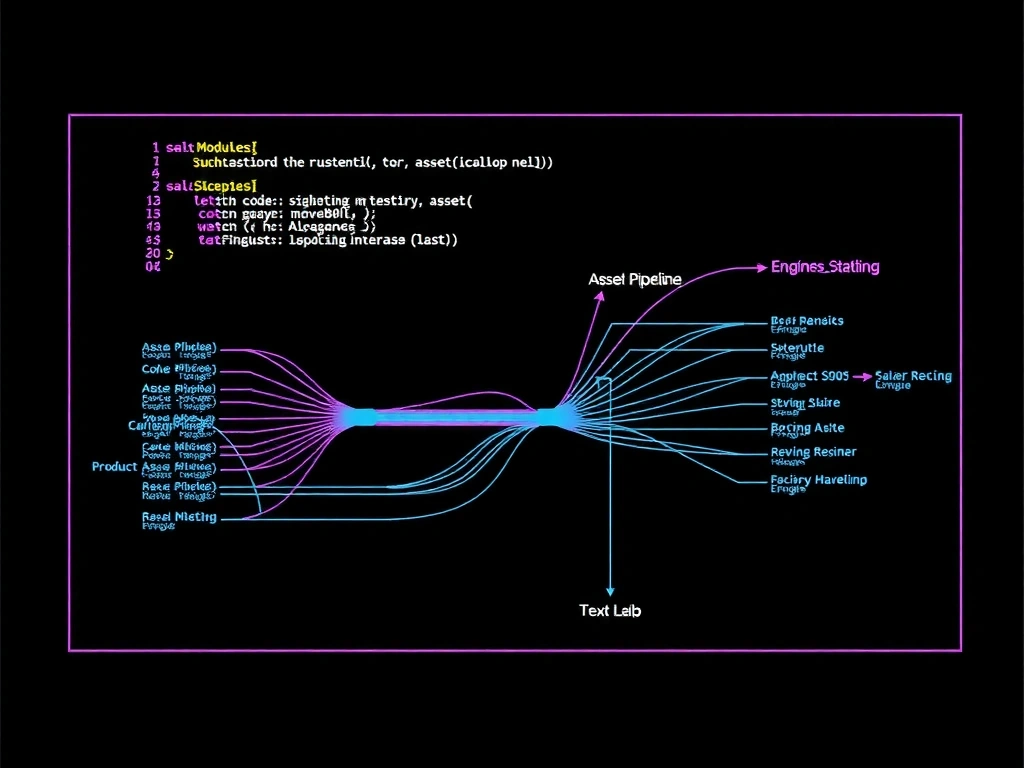
Our stack is a pragmatic blend of industry standards and custom solutions, optimized for rapid experimentation over monolithic development.
Unity Canvas
The primary canvas for live prototyping. Physics, animation, and UI converge in a real-time environment, eliminating silos.
C# Modular Systems
Codebase is component-first. Swapping a core mechanic doesn't break the entire system, enabling iterative tuning.
Custom Shaders (HLSL)
Bespoke visual identity. We avoid default presets to create unique atmospheres that define our games' signature feel.
Git & Plastic SCM
Disciplined version control for collaborative experimentation. Every conceptual pivot is tracked, reversible, and documented.
Method Note: Asset Pipeline
We employ Python scripts for batch processing 3D models, textures, and audio. This automation enforces a strict performance budget per platform, ensuring we never exceed our 100MB download target without manual override.
Genre Lexicon: Our Design Language
How we define terms influences what we build. Our glossary is a living document, a set of design constraints.
Puzzle-Adventure
Definition & Stance
Social Simulation
Emergence over Script
Arcade Reimagined
Deconstruction & Depth
Our technology isn't a static stack; it's a reactive organism. Tools are chosen for their flexibility, genres are defined to enforce a creative stance, and every constraint is viewed as a design parameter. The goal is not a finished product, but a refined process for generating valid, engaging prototypes.
Prototyping Pipeline
A fluid, non-linear process focused on validation. We measure progress by tested hypotheses, not completed features.
Decision Lens
- • Does the prototype isolate the core loop?
- • Is the fun measurable within 60 seconds?
- • Can we pivot based on this data?
Phase 1: Fidelity Zero
Paper & FigmaCore loop validation before any code is written. We use paper prototypes and abstract Figma flows to test psychological engagement.
Phase 2: Greybox
Systems & LogicPlayable, visually barren build. The environment is primitive shapes. The goal is mechanic fidelity and feel, not art.
Phase 3: Art & Audio
Soul IntegrationThe 'soul' phase. Custom shaders, audio design, and visual identity are layered in, strictly guided by the proven core loop.
Constraints as Catalysts
The 100MB Challenge
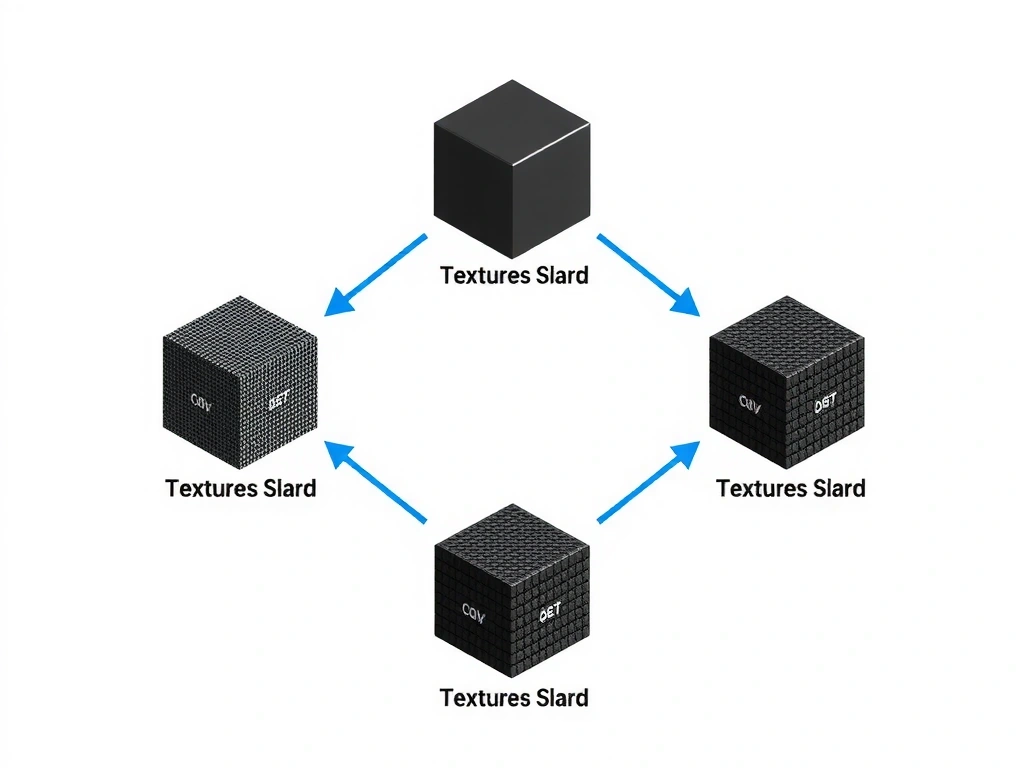
A hard limit on download size forces procedural generation and asset reuse.
Battery & Thermal
Gameplay must respect device longevity. Avoid constant high-intensity rendering.

Cross-Platform Inputs
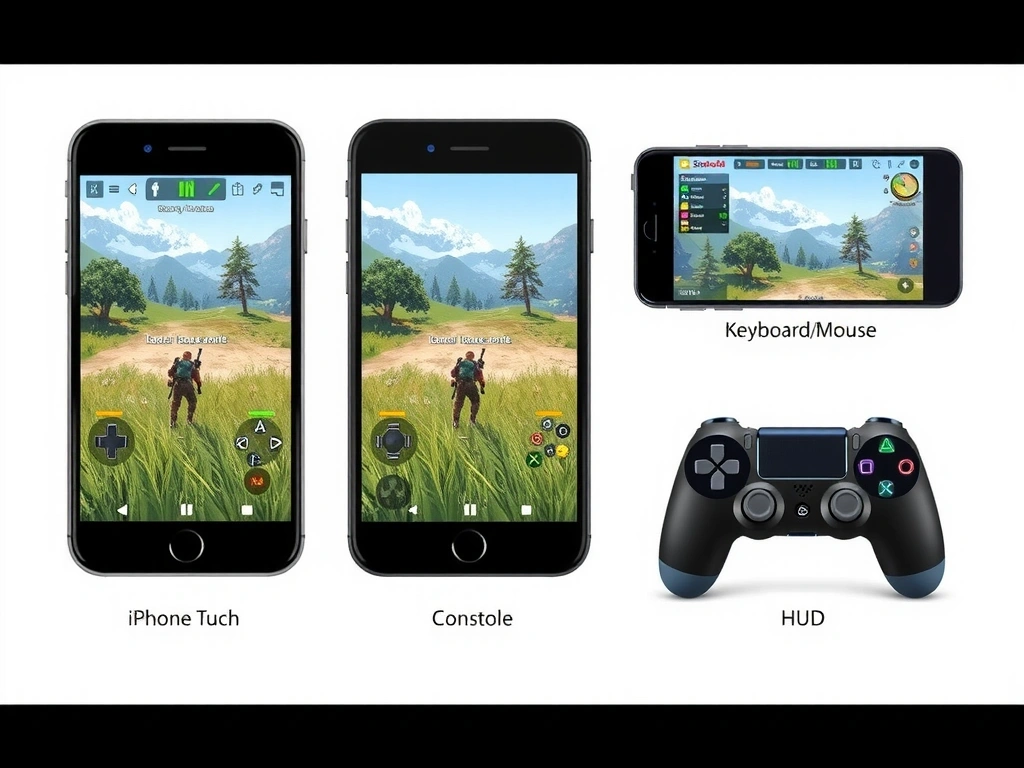
Design must be native from day one for touch, controller, and k/m.
GDPR as Architecture
Data collection isn't retrofitted; it's a structural consideration from the first prototype.
if (userInteraction.isAnonymous)
logEvent("pivot", null, sessionHash);
Time & Budget
Two-week sprint cycles. If it's not testable in 14 days, the scope is too large.
No Engine Defaults
We avoid preset mechanics. If an engine provides a solution, we often rebuild it for control.
Practical Glossary
Click a term to see our operational definition.
Ready to dissect your data?
We apply this methodology to client projects, turning raw analytics into actionable design insights. Let's review your current tool stack.