Cognitive Overload
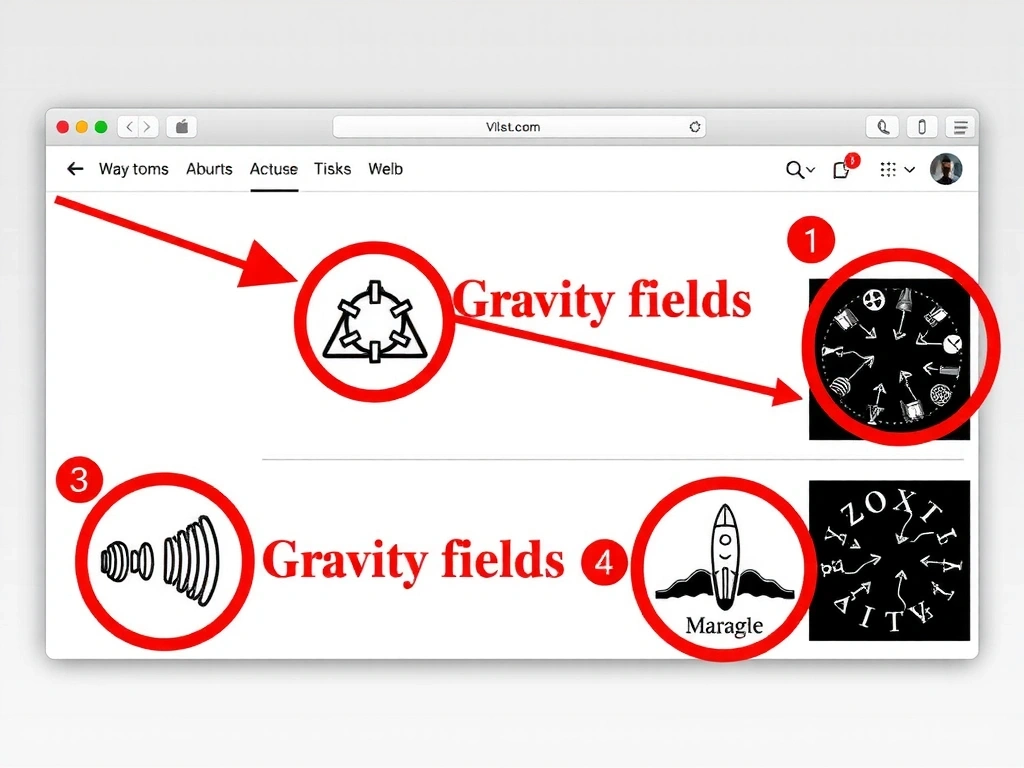
Prototype v0.3 featured 5 distinct gravity types. Player tests showed zero retention of the differences after 2 minutes. We cut to two: attractive and repulsive. The system gained clarity.
Orbital isn't a puzzle you solve. It's a system you inhabit. Built with a 'One-Button' mandate, every interaction is a conversation with gravity.
The core loop is deceptively simple: a single tap launches a projectile. The complexity emerges from the environment. Each object—be it a derelict space station or a pulsating nebula—exerts its own gravitational influence, visible through dynamic particle trails. Our custom simulation calculates trajectory in real-time, rendering a predictive "ghost line" that acts as the player's intuitive guide. We defined twelve distinct collision states—from gentle capture to violent slingshot—each triggering a unique audio-visual feedback loop designed to make physics feel tangible and responsive.
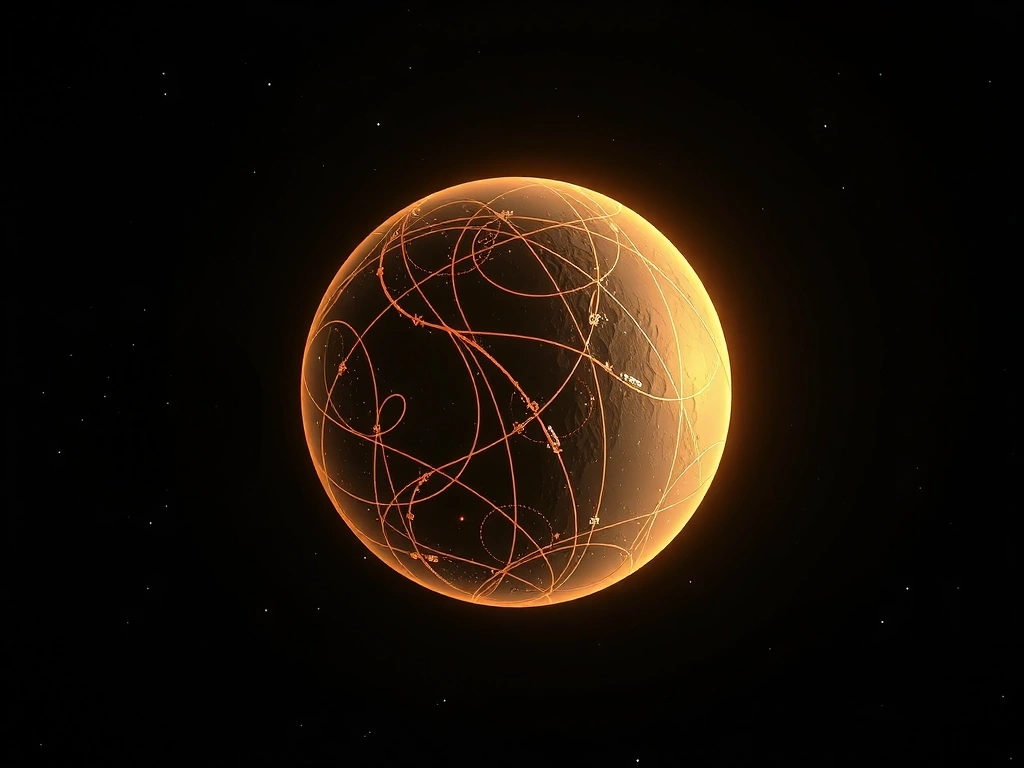
Predictive trajectory renderer. Essential for feel, but we debated its opacity—too visible and it became a crutch. We settled at 40% opacity, forcing the player to interpolate the rest.
12 defined outcomes. Early builds had 20+ states. We cut 8 during playtesting because they weren't distinguishable by sound alone. Audio fidelity dictates the state space.
Target: 60fps on mid-tier mobile. Achieved via object pooling for gravity fields. The rule: no on-demand instantiation during the core loop.
The iteration log. Every misstep refined the system.
Prototype v0.3 featured 5 distinct gravity types. Player tests showed zero retention of the differences after 2 minutes. We cut to two: attractive and repulsive. The system gained clarity.
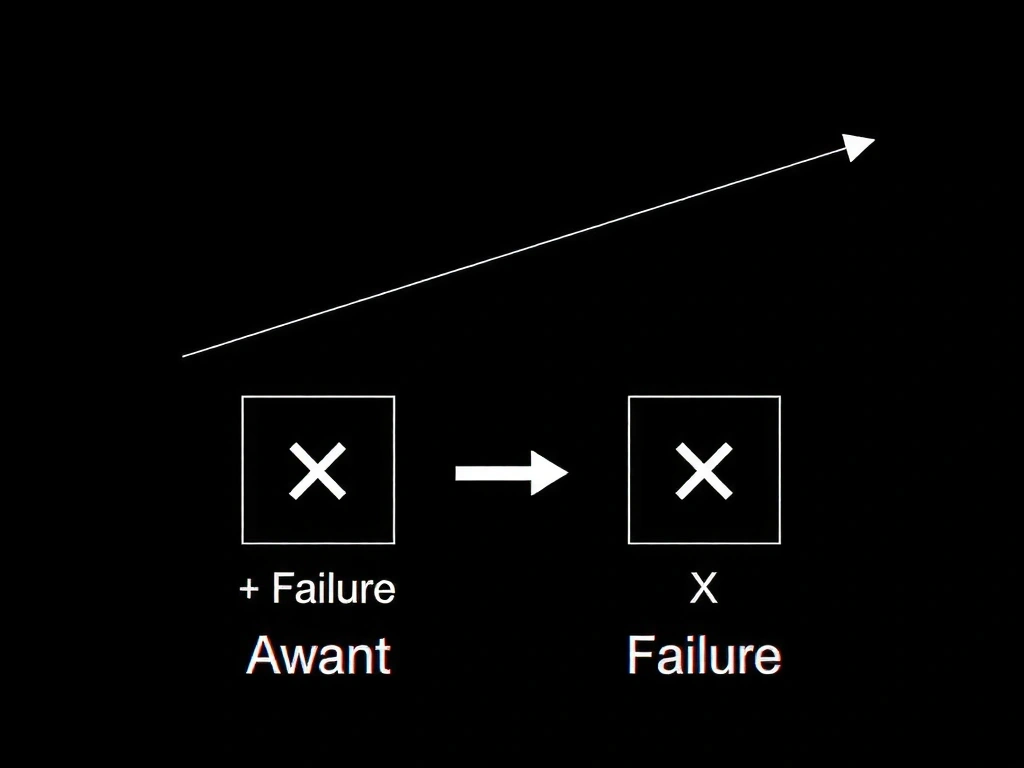
Initially a hard failure. We added a 'hold-to-release' input. What was a dead-end became a key tool. The constraint (one button) forced the innovation.
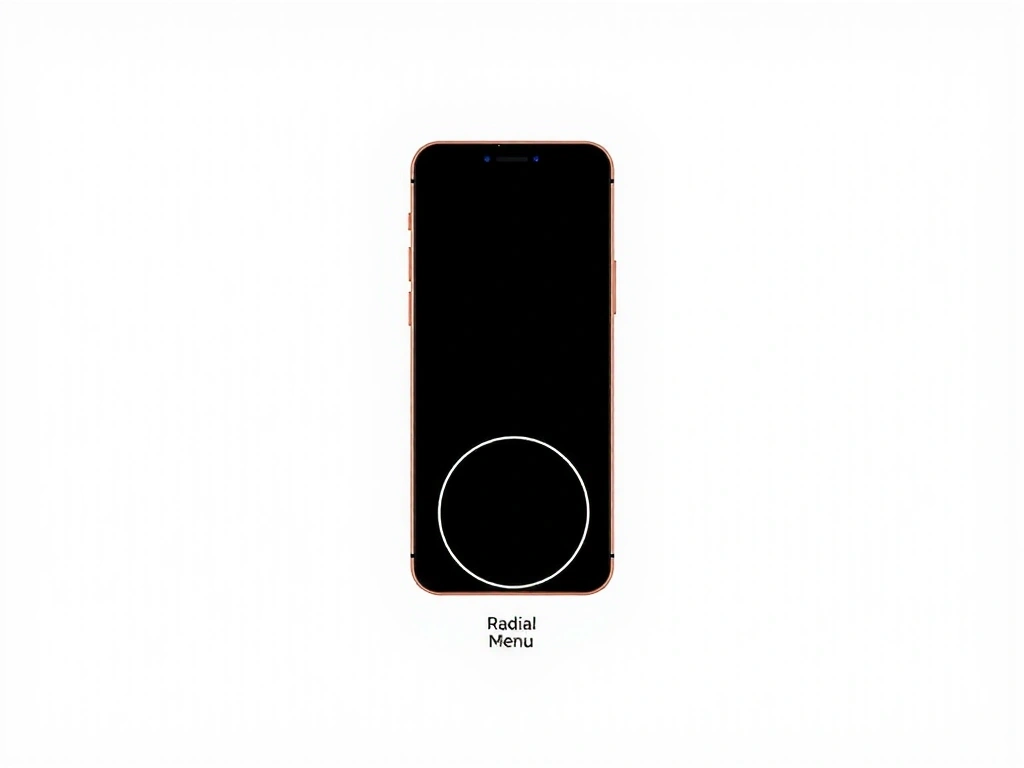
All UI must be within the thumb's natural arc. A radial menu, anchored to the bottom-right, emerged as the solution for secondary actions, keeping the core loop untouched.
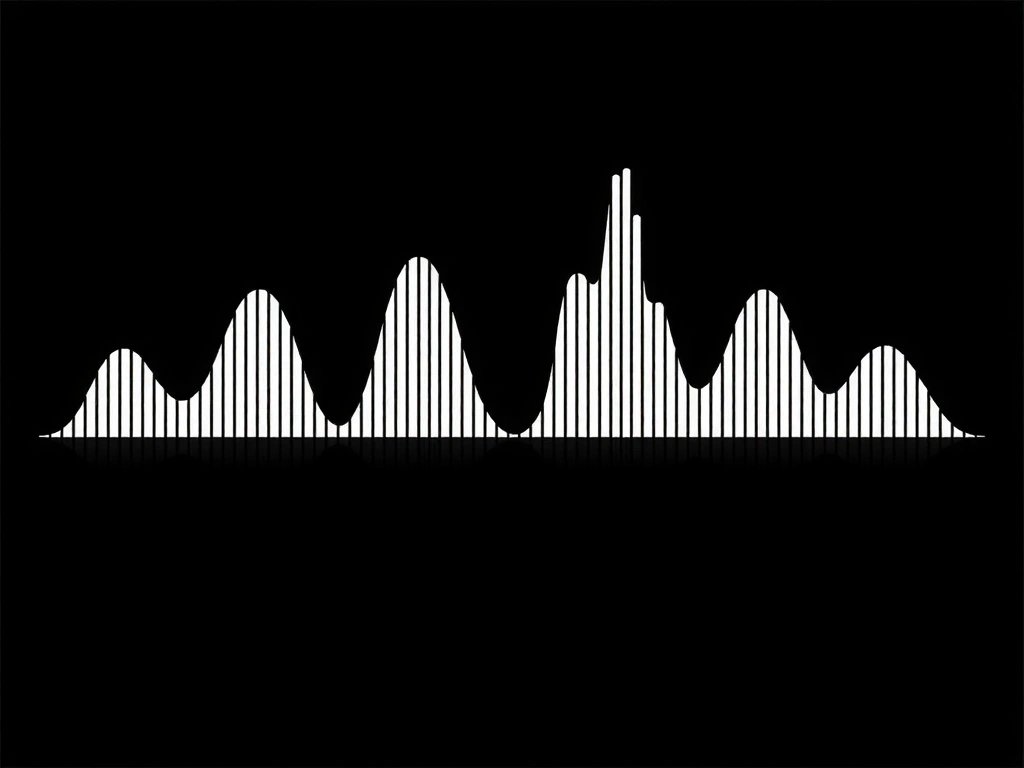
A low hum indicates weak pull; a sharp, rising tone indicates strong pull. Audio conveys data the eye can't parse, especially in dense particle effects.
We track no PII. Performance metrics are session-based and anonymized. The trade-off: less granular user profiling, but zero privacy compliance risk for EU players.
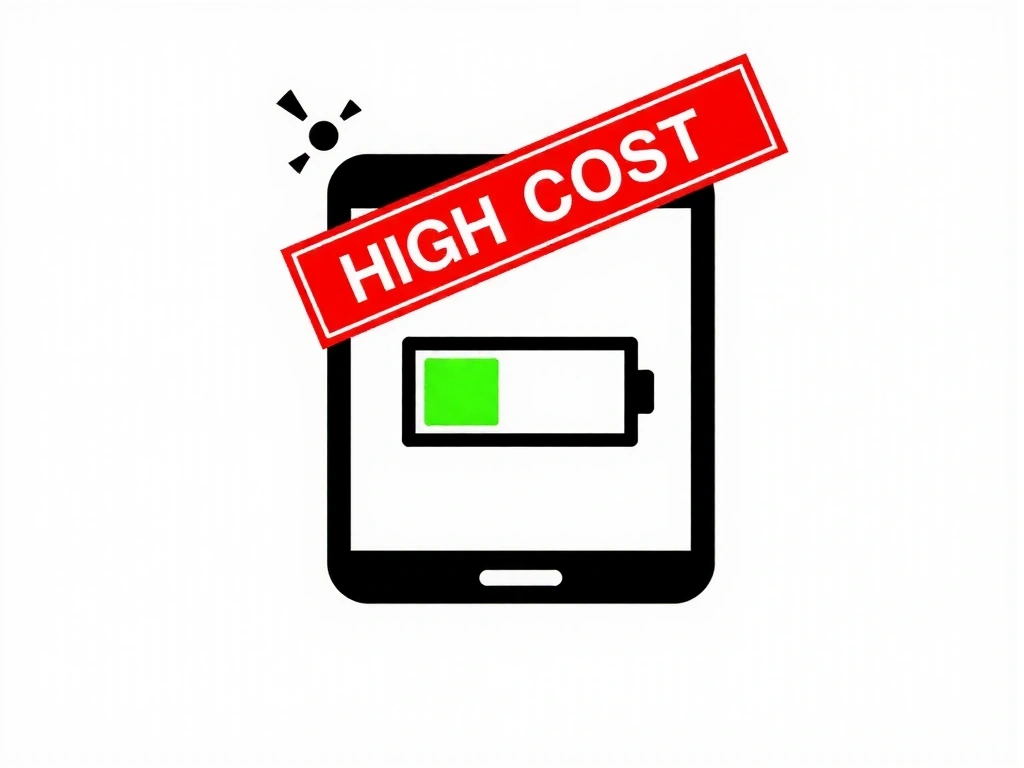
Particle density scales with device thermal state. A foreground effect on a hot phone is 30% less dense than on a cool one. The experience stays fluid without killing the battery.
This is how we evaluated every design choice for Orbital. Use it to pressure-test your own concepts.
Five principles that emerged from the constraints. Not guidelines, but distilled necessities.
Prototype with primitives first. If it's not fun with cubes, no amount of art will fix it. We built the gravity simulation in 48 hours with flat shapes.
Complexity comes from context. Hold, tap, swipe—layer states onto a single input. It forces elegant design, not feature bloat.
Don't let gravity be a passive rule. Make it feel alive—emotive, surprising, and readable. Its "voice" is the audio/visual feedback.
If an element can exist in the game world, it must. The trajectory line is a hologram, the gravity field is a particle swarm. Immersion is key.
Technical limits are creative fuel. Mobile performance dictated our particle budget, which led to a more sparse, cinematic aesthetic. Better for it.
We turn systemic ideas into polished, shippable gameplay. Let's discuss the physics of your project.
Start a Conversation