The Studio as
Laboratory.
We don’t build finished games. We build testable hypotheses, iterate through controlled failures, and document every decision in a living archive. This is where the invisible architecture of player experience is designed, broken, and rebuilt.
The Lab Bench: Where Hypotheses Become Play
Our studio isn't a factory for assets; it's a bench for controlled experimentation. Every mechanic, every narrative beat, every UI interaction starts as a question.
The Hypothesis Log
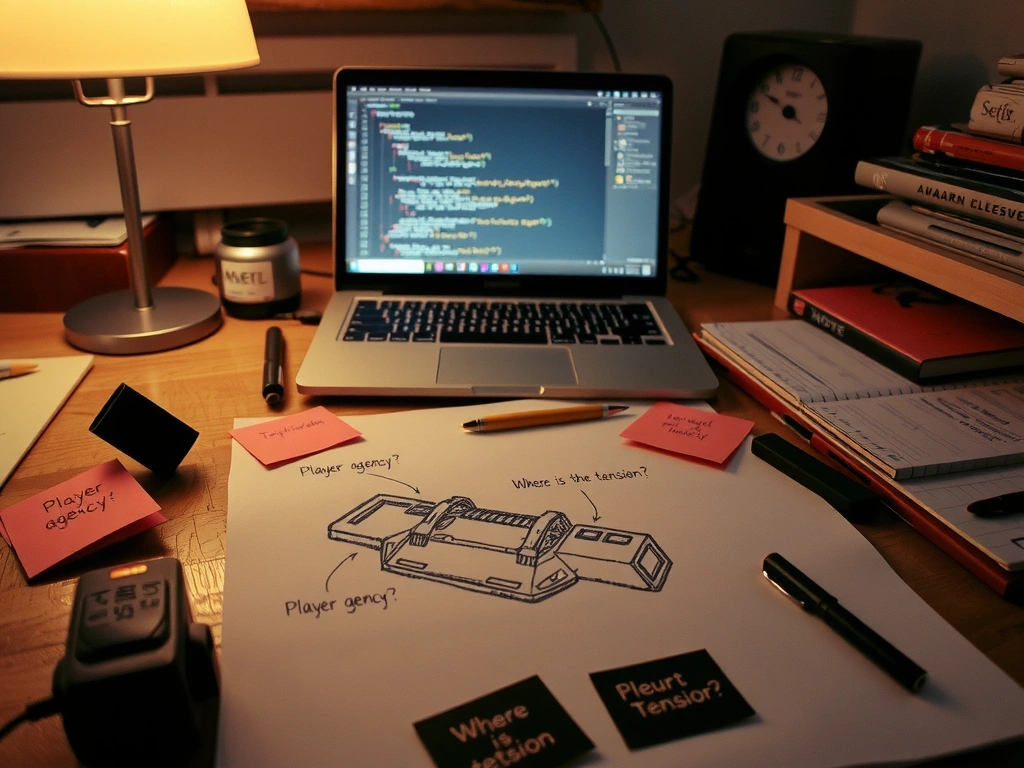
Every project begins with a public document where design decisions are framed as testable questions. “Will a non-linear narrative increase player agency?” isn't a rhetorical flourish—it's a measurable outcome we track through playtest analytics. This log is our north star, preventing scope creep and keeping the team aligned on the core test.
The Failure Archive
We curate a digital museum of scrapped prototypes. “Orbital's” original 3D physics engine is preserved here, complete with our post-mortem notes: “Felt too punitive. Players avoided movement.” This isn't an embarrassment; it's essential data that informed our pivot to a 2D social interaction model.
Client Collaboration = Co-Experimentation
Clients aren't bystanders. We embed them in a shared dashboard with live playtest metrics and a feedback channel that populates directly into our Hypothesis Log. The goal isn't a single approval sign-off, but a continuous dialogue where their insights are treated as critical data points.
The Designer's Toolkit: Beyond the Default
Our edge isn't just taste; it's architecture. We build the tools that let us ask the questions other studios can't.
Emotional Arc Mapper
A custom plugin that visualizes player sentiment across a game's timeline. Used on Orbital to flag a frustration spike in the tutorial, leading to a redesign that boosted completion by 40%.
Constraint-Driven Framework
We impose creative limits (e.g., “one-handed play”) to force innovation. Orbital's core social mechanic emerged directly from this constraint.
Playtest Protocol (90min)
A standardized session structure capturing quantitative data (drop-off points) and qualitative insights (verbal frustration) in parallel. Eliminates noisy, anecdotal feedback.
Audio-First Prototyping
Game feel is built with sound and haptics before any visual assets exist. This isolates “feel” from “look,” ensuring the core interaction loop is satisfying on its own.
Live Protocol Tool
An interactive checklist for running our 90-minute session. Click to reveal the structured timeline.

The Ethos of Play
Agency Over Awe.
We prioritize meaningful player choice and consequence over passive cinematic spectacle. The thrill is in authorship, not observation.
Systems, Not Stories.
We believe compelling narratives emerge organically from robust, interacting systems rather than being scripted linearly. Players discover their own story.
The Joy of Mastery.
We chase the "flow state"—where challenge and skill are in perfect balance. Every interaction is tuned to reward learning and practice.
The Navigated Trade-off: Depth vs. Accessibility
In Orbital, we embraced a contradiction: complex social physics layered with simple, one-touch controls. The surface was accessible; the depth was optional. This required rigorous playtesting to ensure both casual and hardcore players felt respected.
The Evidence: "Orbital" Case Study
A forensic look at a single hypothesis tested, broken, and validated.
The Hypothesis
Can we create a sense of vast scale without a sprawling world? We'll measure this via player-reported awe vs. travel time friction.
CONSTRAINT: Must render on 5-year-old smartphones. Target: 60fps.
The Pivot Point
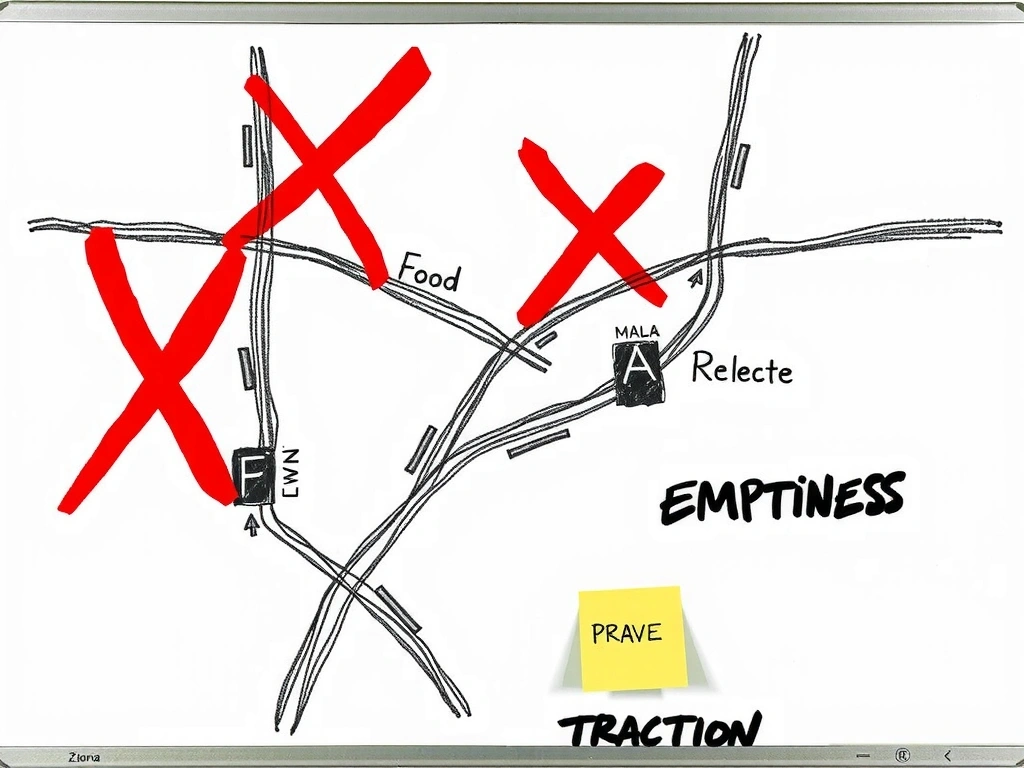
Playtester Quote: "I'm just waiting to get somewhere. It's boring." Data showed 70% drop-off in the first 30 seconds. We scrapped the pure travel model.
The Final Metric
Success wasn't "hours played," but 78% of testers entered the 'Flow State' within 10 minutes, measured via our Emotional Arc Mapper tool.
METHOD NOTE: 'Flow' defined as sustained heart rate + positive sentiment + high interaction frequency over a 2-minute window.
The Lab Notes
Raw material from the sketchbooks. Unfiltered, annotated, and genuine.
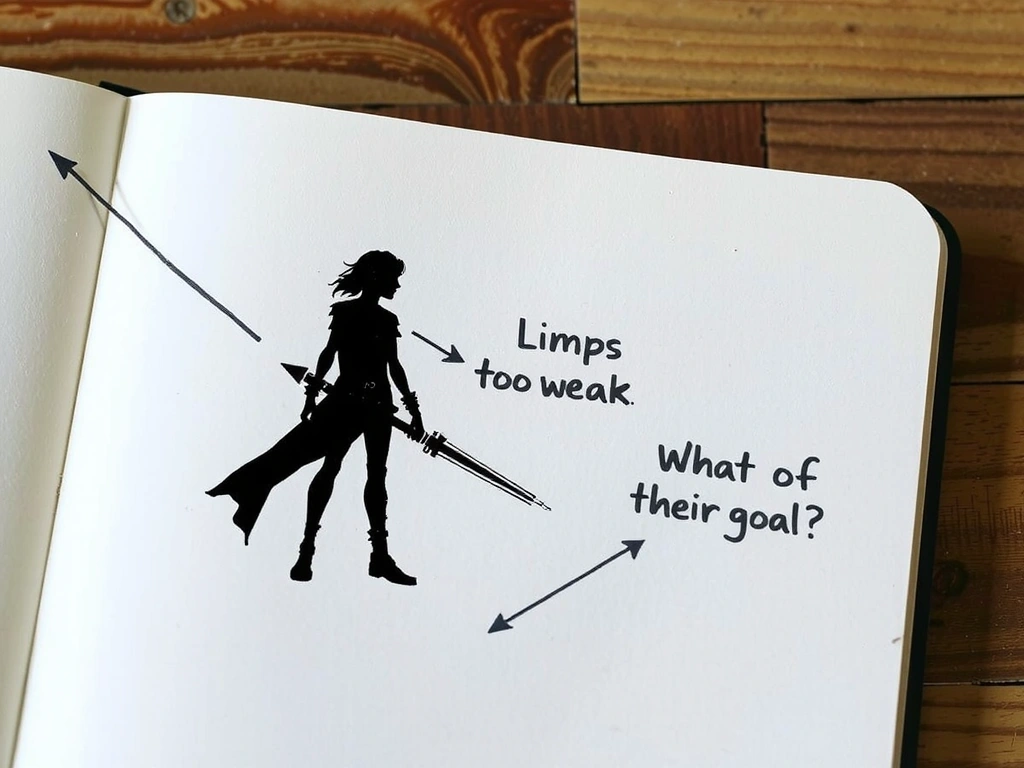
Page 142. Orbital early concepts. Questioning the 'hero' archetype before drawing.
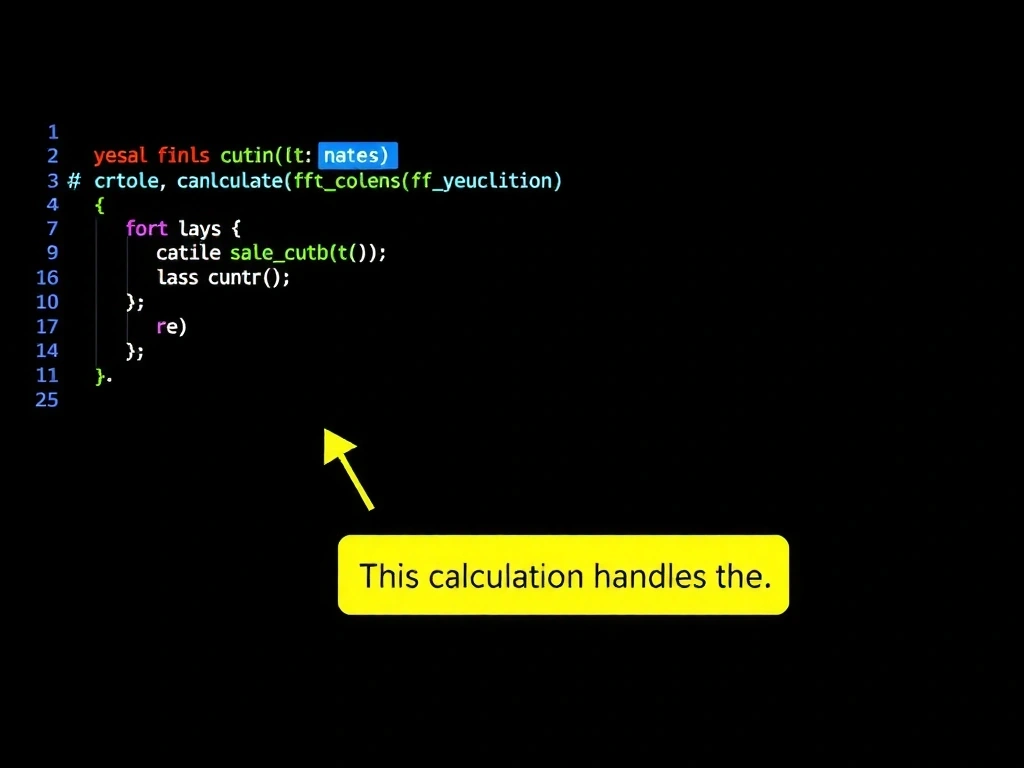
// function calculateSocialGravity(playerA, playerB)
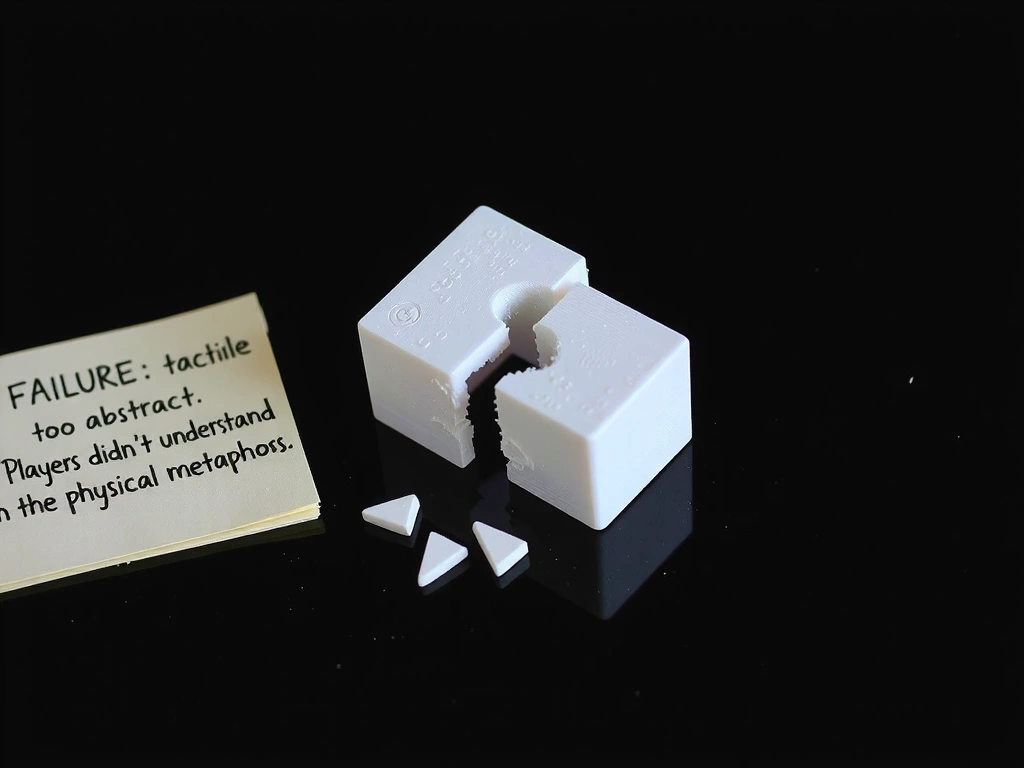
2023. "The Anchor" prototype. A crucial lesson in physical vs. digital translation.
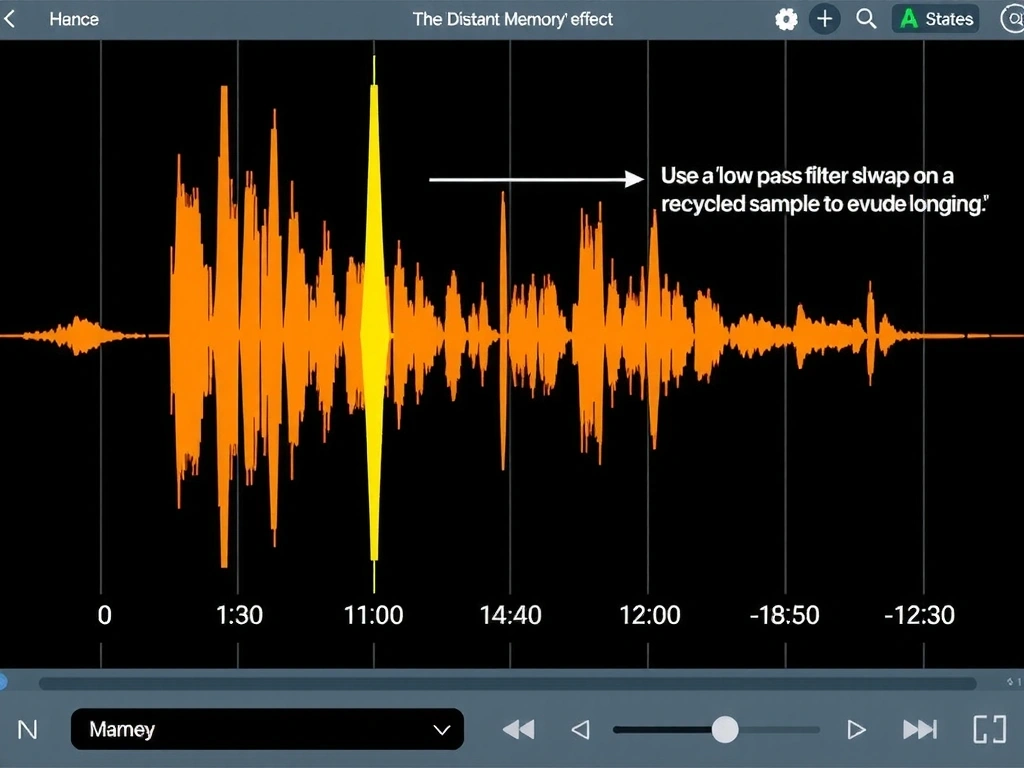
Emotional target: Nostalgia. Method: Frequency manipulation on source material.
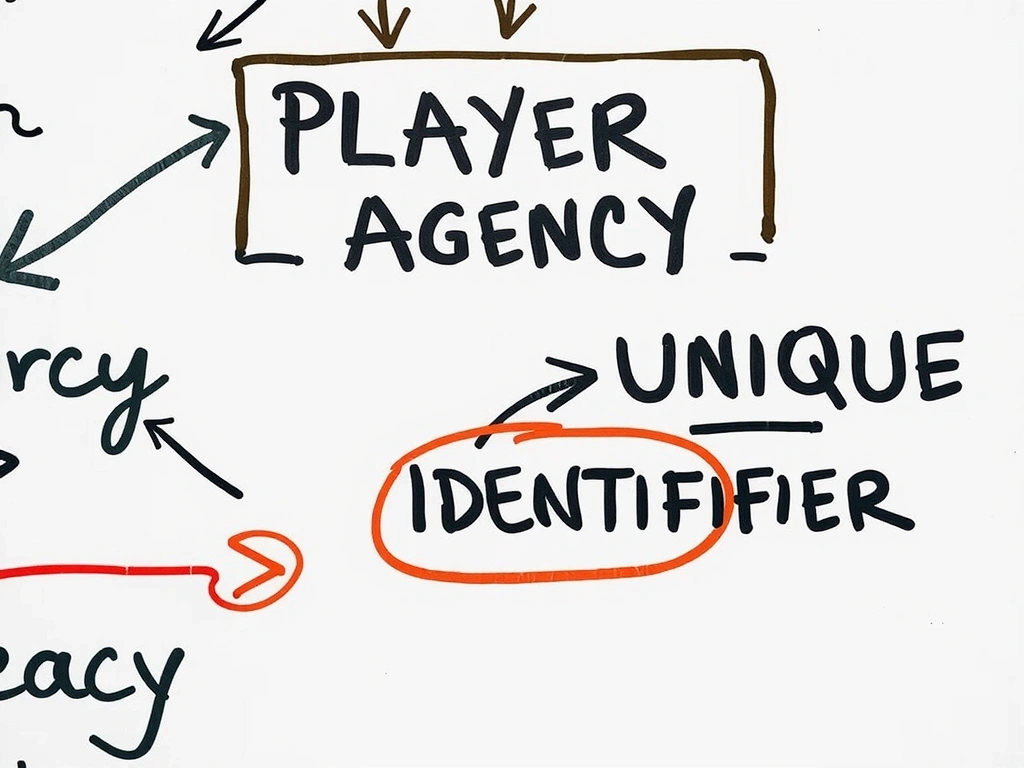
Origin of the "identity tag" mechanic. Chaos with a clear purpose.
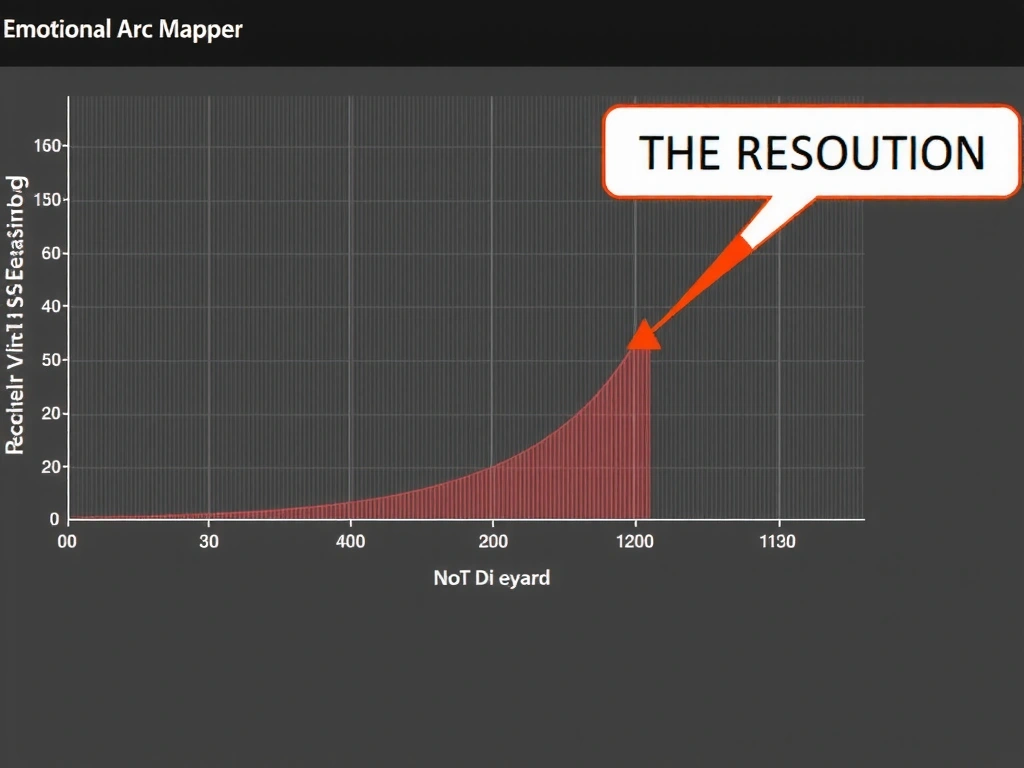
Raw output from the playtest. The 'dip' correlated with a known frustration point we later fixed.
Ready to Run an Experiment?
Bring your hypothesis to our bench. We'll help you design the test, build the prototype, and interpret the data. No assumptions, just evidence.
Start the Conversation