
How do you build a game that feels inevitable?
We don’t guess. We reverse-engineer engagement from player psychology, then validate every mechanic with hard data. This is the laboratory log.
The Laboratory Protocol
Our core thesis is simple: play is not magic; it is a predictable system of inputs and rewards. Before any art is drawn, we map the 'Hard Fun' vs 'Easy Fun' spectrum. This is not about aesthetics—it's about defining the emotional contract with the player.
The 'Zero-Player' Test
We simulate thousands of game loops without human input to verify mathematical balance. If a loop can't hold itself together in a simulation, it won't hold a player.
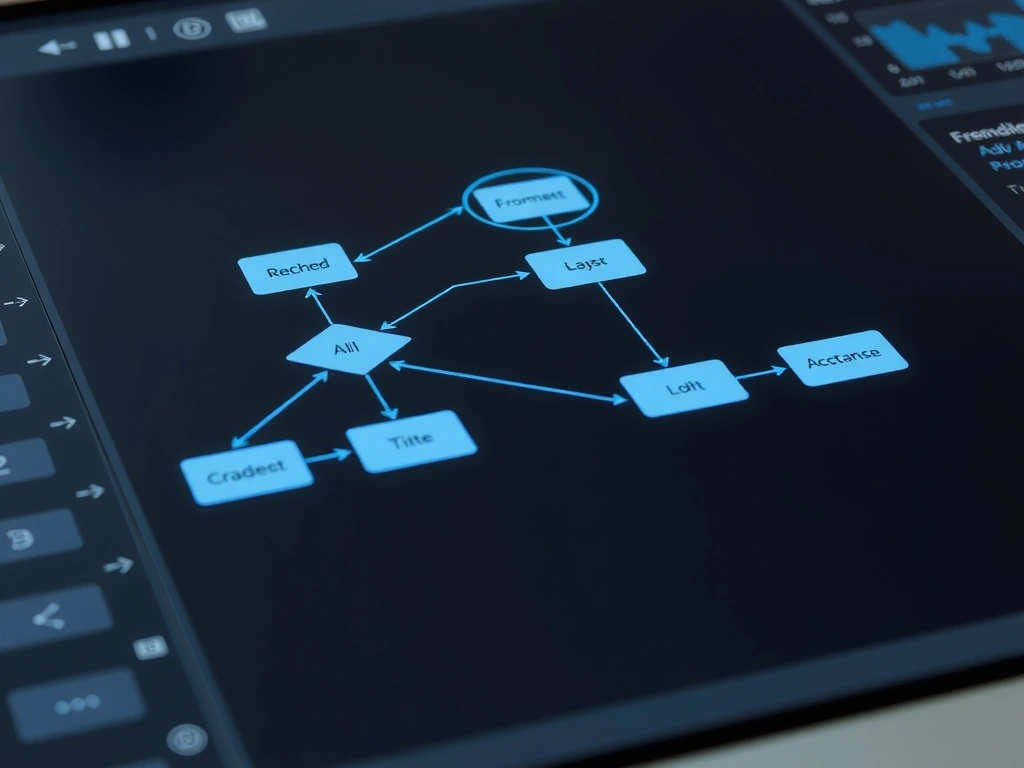
Simulation output showing reinforcement loops.
Decision Lens: The 'Hard Fun' Criterion
- ✓ Optimizes for mastery & skill growth.
- ✓ Allows for meaningful failure states.
- ✗ Avoids instant gratification loops (sacrifices short-term engagement).
- ✗ Requires more onboarding (sacrifices immediate accessibility).
Trade-off: Early Bet on Complexity
Benefit
Higher LTV from retained players who invest in mastery.
Cost
30% higher Day-1 churn from players seeking casual play.
Mitigation
Tiered tutorial systems that adapt to player speed (detected via input patterns).
Pitfall Avoidance
The Tutorial Trap
Breaking narrative flow to teach controls. We embed teaching in the world (environmental cues).
Feature Creep
Primary enemy of immersion. We log every requested feature; only 3% survive initial viability tests.
Executive Summary
We traded the illusion of choice for the clarity of constraint.
Our methodology is not a rigid checklist. It is a commitment to hypothesis-driven design. Every mechanic must answer 'Why does this exist?' with data, not opinion. This discipline eliminates feature bloat and aligns the team on the singular goal: creating moments that players choose to repeat.
The Development Timeline
From napkin sketch to playable 'vertical slice' in 48 hours. The goal isn't polish; it's proving the core loop is fun. We grey-box with primitive shapes to test game feel before any art pipeline begins.
"The 'Bus Stop' Test: can the mechanic be played with one thumb in 30 seconds?"
Stress-testing the economy and difficulty curves. We simulate 1,000 hours of gameplay to prevent virtual currency inflation and analyze heatmaps to find 'dead zones' in level design.

The 'Juice' layer. 50% of the timeline is spent on micro-interactions, screen shake, and audio feedback loops that transform a functional prototype into a premium experience.
The Post-Mortem
We treat failure as a primary data source. Our laboratory log is not complete without honest reflection on what broke, what worked, and why.
Scenario: 'Project Aether'
After 6 months, we scrapped a prototype. The core loop was technically sound, but external playtesters consistently rated it 'skippable'. The 'fun' wasn't in the mechanic, but in the narrative, which our internal team was blind to.
Trade-off: Depth of Data vs. Ease of Setup
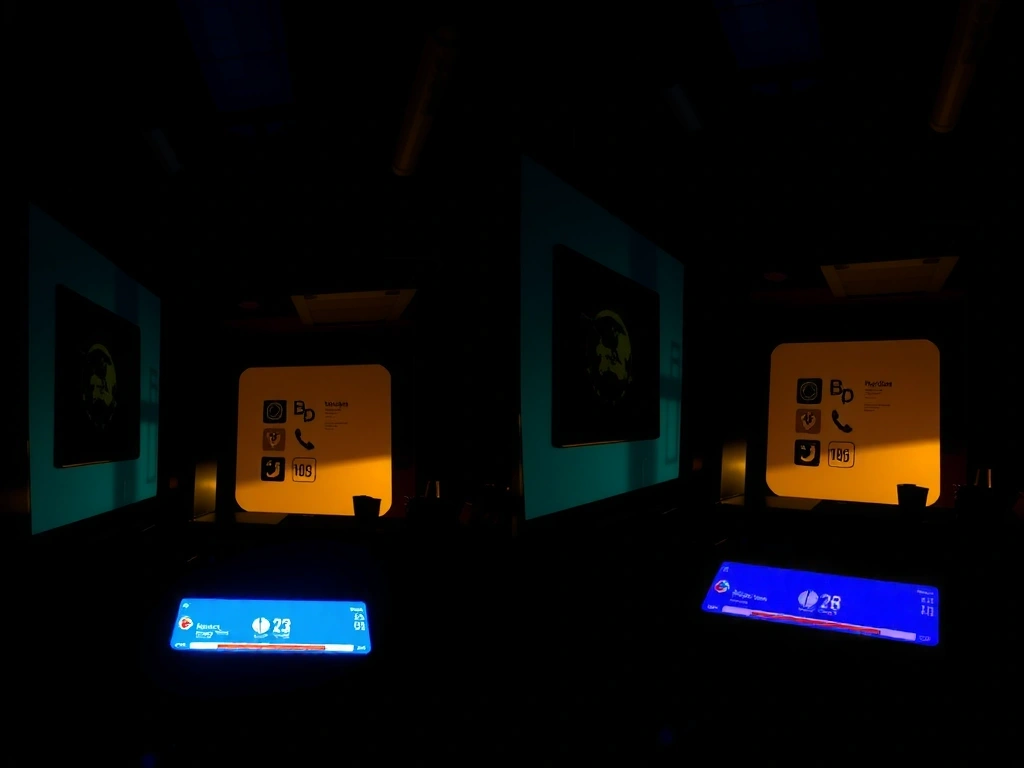
Annotation: "The '80/20' rule applied. 80% of players use 20% of HUD. We removed the rest."
The '80/20' Rule Application
Field Notes: Raw Session Data
session_id,feature_id,attempts,success_rate
        834a-1b2c,mech_jump,12,0.83
        834a-1b2c,mech_shoot,45,0.92
        834a-1b2c,mech_special,2,0.00
        834a-1b2c,mech_upgrade,8,0.37
Anonymized excerpt. Note the 0.00 success on 'special'—a signal to redesign or teach better.
Apply This Rigor to Your Project
Our methodology is not a secret. It's a disciplined process. If you're tired of guessing why players churn, let's diagnose your game's core loop together.